
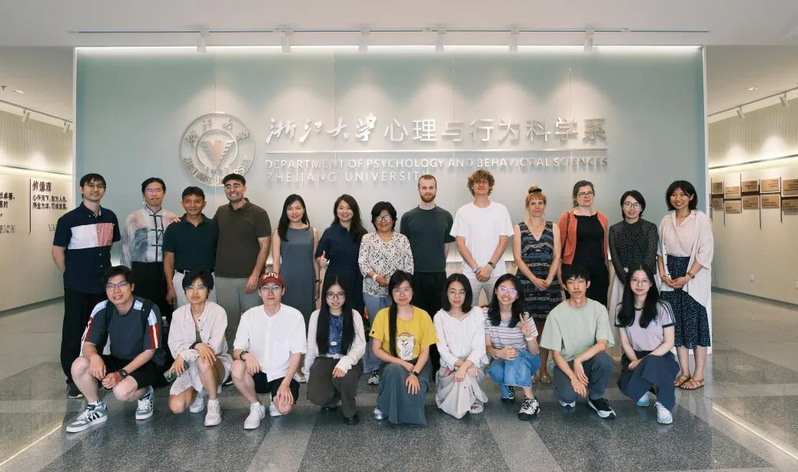
On July 8, the International Symposium on Emotion, Culture, and Social Cognition was held at the Zijingang Campus of Zhejiang University. Organized by the Department of Psychology and Behavioral Sciences at Zhejiang University, the symposium brought together distinguished scholars and early-career researchers from multiple renowned institutions, including Peking University and the University of Amsterdam, among others. Fourteen presenters shared their latest research findings on topics including emotional expression and perception, cultural psychological differences, social relations and moral cognition, cultural learning, and artificial intelligence (AI) research methodologies, thereby establishing a high-level, cross-regional, interdisciplinary, and cross-cultural academic exchange platform.
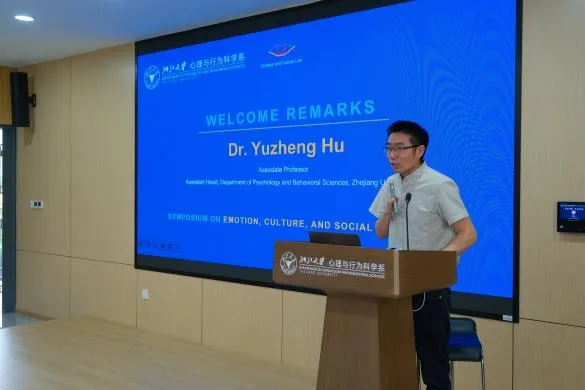
At the opening ceremony, Dr. Hu Yuzheng, Associate Head of the Department of Psychology, delivered a welcome address. On behalf of the department, he extended a warm welcome to all participating scholars and early-career researchers, expressing the hope that this symposium would serve as an opportunity to promote scholarly exchange and mutual learning between domestic and international researchers, deepen academic cooperation, and drive innovative development in the fields of emotion and cultural cognition.
Dr. Fang Xia, Researcher at the Department of Psychology and Principal Investigator of the Emotion and Culture Lab, elucidated the symposium's theme and core objectives. She noted that understanding human emotions and social cognition necessitates situating individual psychological processes within specific cultural and social contexts, and expressed the hope that the exchange and collision of diverse perspectives would open new avenues for theoretical innovation and research breakthroughs in the field.
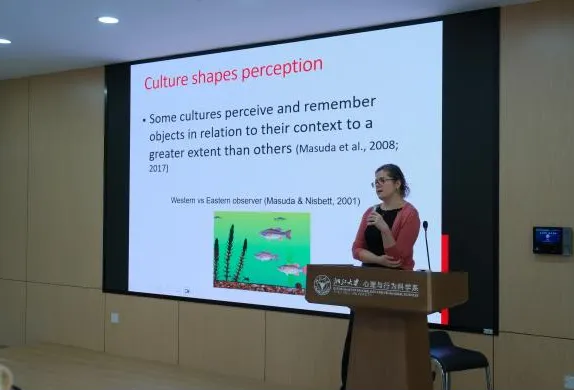
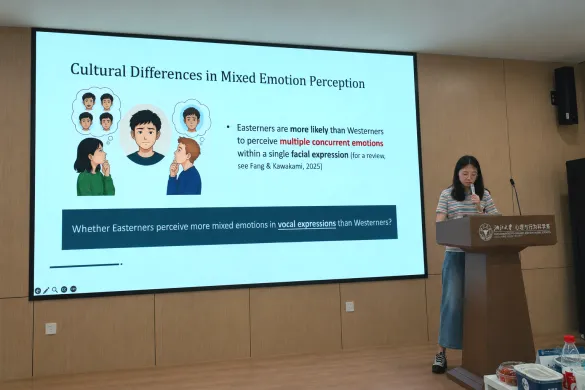
The cross-cultural expression, perception, and understanding of emotions constituted a central topic of the symposium. Professor Magdalena Rychlowska from Queen's University Belfast pointed out that observers' judgments of a target's emotions are systematically influenced by surrounding facial expressions, and that the traditional East-West binary framework is insufficient to fully account for the cultural differences observed. Dr. Christopher Riddell, Postdoctoral Researcher at the University of Amsterdam, compared naturalistic emotional expressions and recognition between Dutch and Japanese children and adults, examining the joint effects of cultural background and age. Dr. Yong-Qi Cong, also a Postdoctoral Researcher at the University of Amsterdam, conducted a preregistered meta-analysis based on 62 studies, 164 independent samples, and over 44,000 participants, re-evaluating the in-group advantage in cross-cultural emotion recognition and emphasizing the critical importance of balancing cultural samples and experimental materials. Professor Tan Wingenbach from the University of Reading investigated the relationship between the length of residence of immigrants in the UK and their facial emotion recognition, focusing on the impact of prolonged cultural exposure on the perception of subtle emotions.
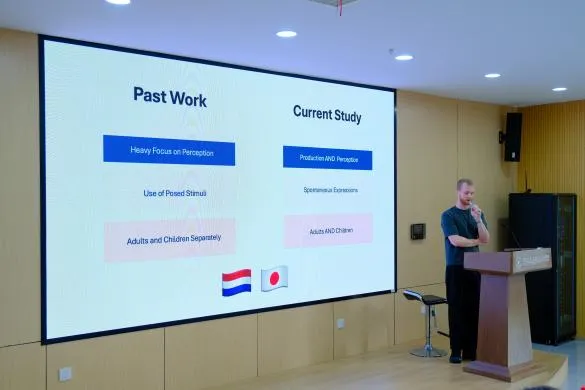
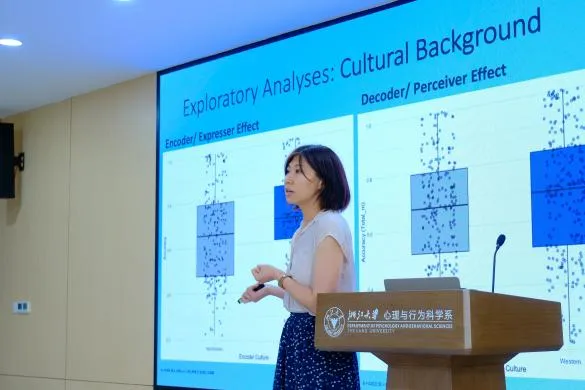
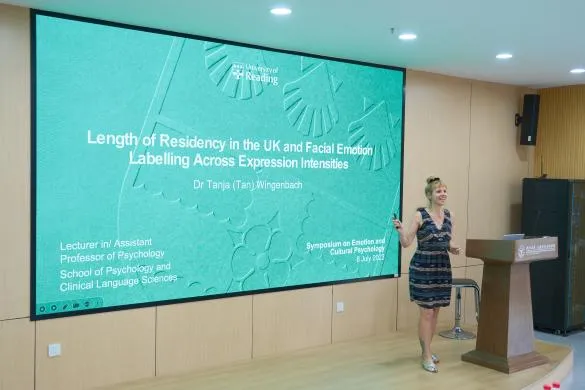
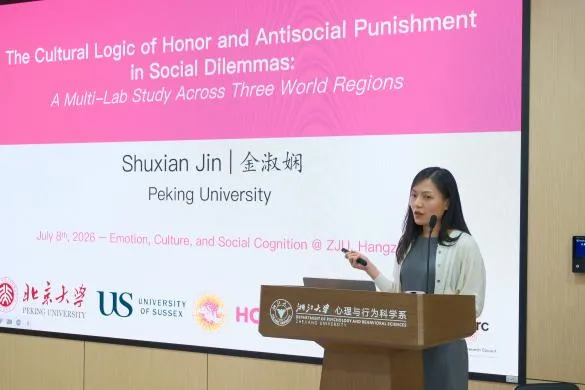
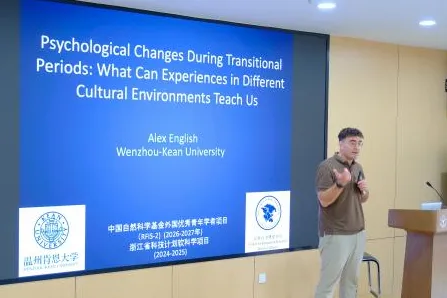
Culture not only influences the understanding of emotions but also profoundly shapes social relations, moral judgment, and cooperative behavior. Professor Wang Yin from Beijing Normal University employed surveys, experiments, and computational modeling to reveal shared cognitive structures and cultural differences underlying social relations and moral concepts. Professor Jin Shuxian from Peking University, drawing on multi-laboratory findings from Egypt, South Korea, and the United Kingdom, found that although honor values do not directly incite antisocial punishment, they may potentiate retaliatory responses following experiences of injustice. The mechanisms underlying cultural psychological differences also represented a key focus of the symposium. Professor Alexander English from Wenzhou-Kean University demonstrated, through a three-wave longitudinal study, that regional agricultural traditions continue to exert an enduring influence on contemporary modes of thought. Professor Luo Siyang from Sun Yat-sen University proposed a Culturomics framework, exploring the dynamic interplay between the natural environment, cultural evolution, and human psychology from a complex systems perspective.
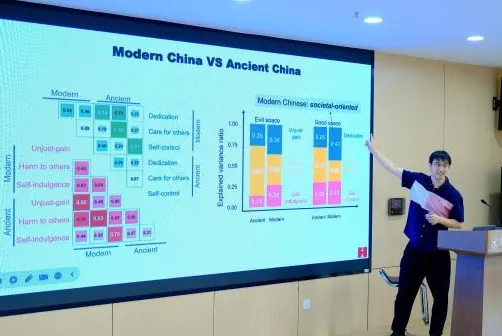
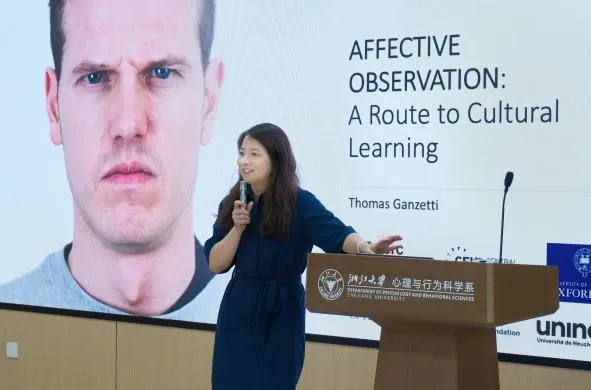
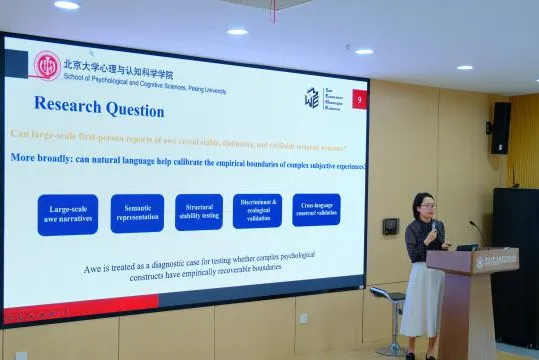
The symposium further showcased emerging trends in the methodological integration of psychological research. Professor Jiang Tonglin from Peking University employed Large Language Models (LLMs) to deconstruct the conceptual structure of awe, subsequently validating the findings through behavioral experiments and cross-cultural samples, thus demonstrating the potential of AI in clarifying concepts and constructing theory in psychology. Dr. Thomas Ganzetti, Postdoctoral Researcher at the University of Amsterdam, introduced the affective observation approach, revealing that individuals can form evaluations of novel objects by observing the emotional reactions of others, thereby offering a new perspective on the transmission of social norms and cultural knowledge.

In the early-career researcher session, Pan Zhihe, Li Shuo'an, and Zhang Ziyu—graduate students from the Department of Psychology and representatives of the Emotion and Culture Lab—presented findings on sound, dynamic film scenes, and indigenous emotion concepts, respectively. Their research demonstrated that cultural background not only influences emotional perception in auditory and cinematic contexts but also profoundly shapes the expression and recognition of culturally specific emotions such as Weiqu (a sense of grievance or injustice). These presentations fully illustrated the profound influence of culture on the expression, organization, and understanding of emotions, highlighting the academic vitality of early-career scholars in conducting culturally grounded and cross-culturally comparative research.
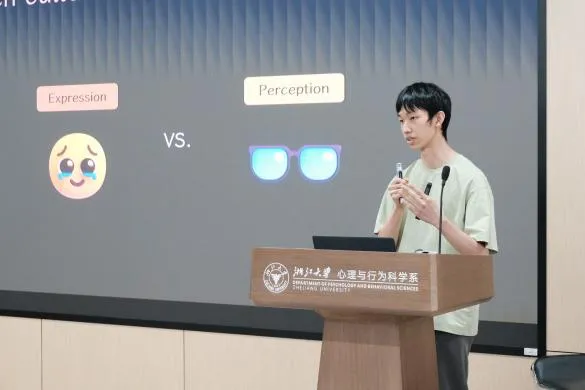
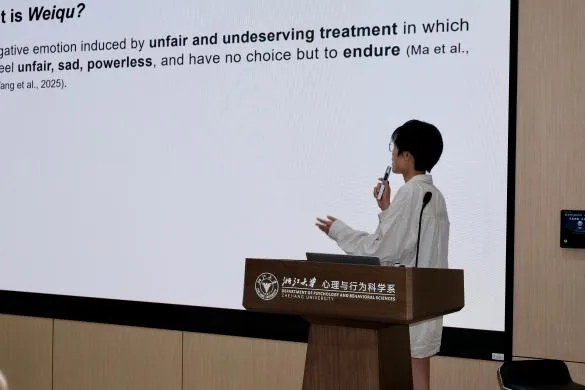
This symposium systematically presented the latest research advancements in emotion, culture, and social cognition, bridging empirical findings from both Western and Eastern contexts and innovatively integrating traditional psychological experiments with big data and AI research paradigms. Participating scholars engaged in in-depth discussions on key issues, generating new insights and building consensus through academic exchange. This symposium has consequently injected renewed momentum into the theoretical innovation and international collaborative efforts driving this field of research forward.
---
Reported by Song Weitie
Edited by Zhou Wei
Reviewed by Fang Xia
Final Approval by Chen Miaofeng