

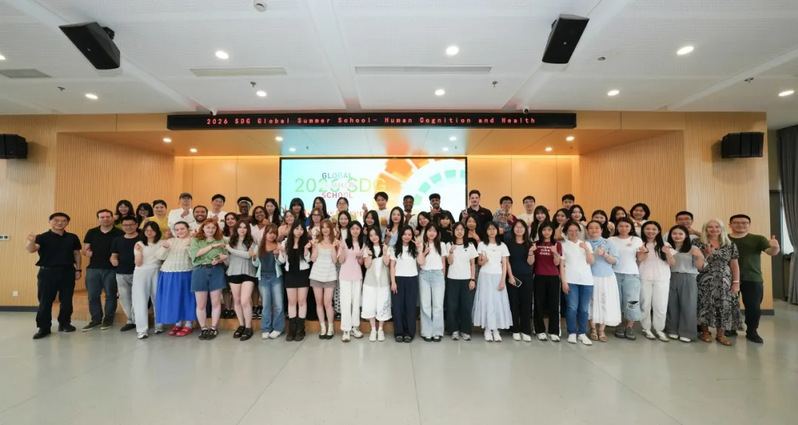
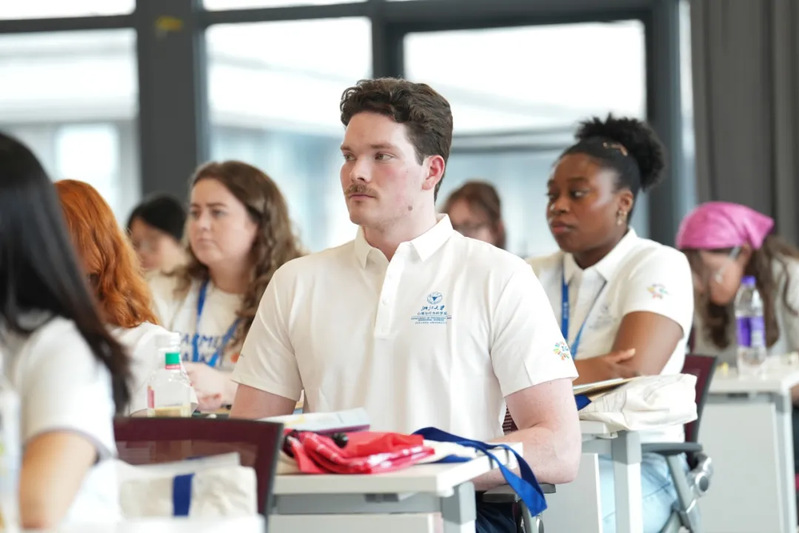
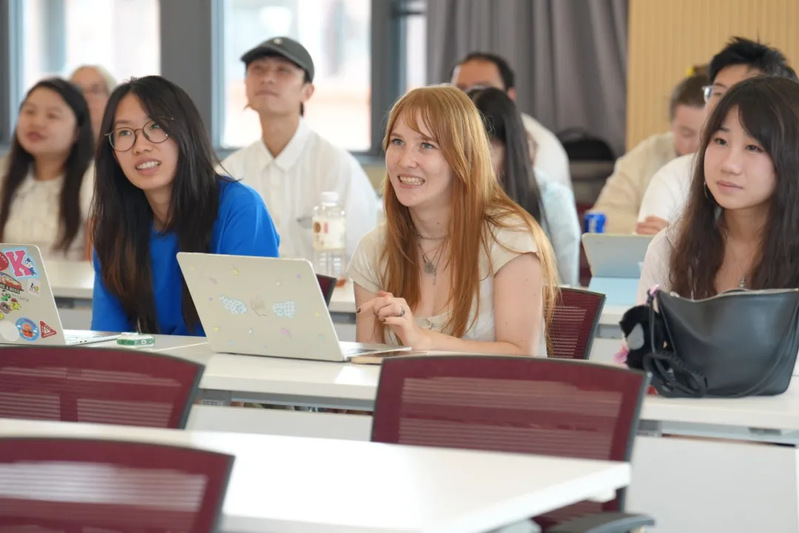
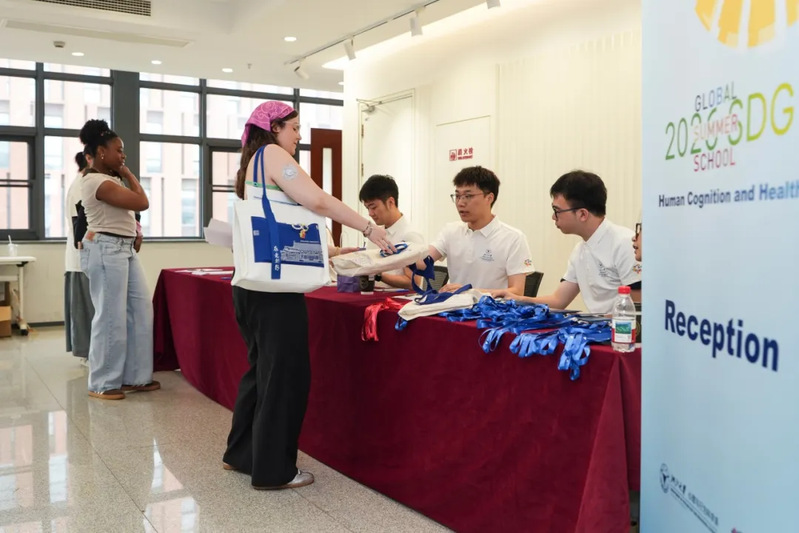
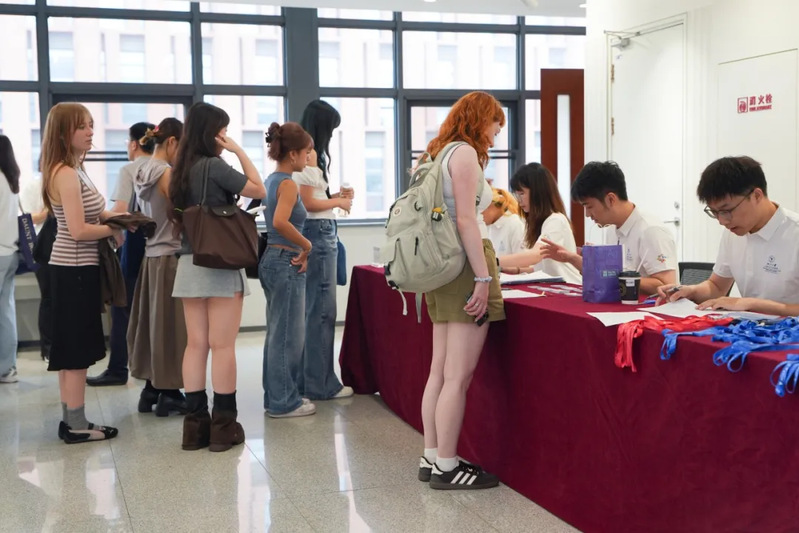
On the afternoon of July 3, the 2026 SDG Global Summer School on “Human Cognition and Health,” organized by the Department of Psychology and Behavioral Sciences at Zhejiang University, came to a successful close. Since its opening on June 22, distinguished scholars and participating students from leading universities worldwide—including Zhejiang University, Ludwig Maximilian University of Munich, University of Toronto, University of Birmingham, University of Hong Kong, University of Pennsylvania, Johns Hopkins University, University College London, Queen’s University Belfast, and Peking University—gathered at Zhejiang University. Over the nearly two-week programme, they engaged in a series of cutting-edge lectures, topical tutorials, hands-on training sessions, and networking activities, delving into in-depth study and discussion on topics encompassing human cognition, mental health, artificial intelligence, computational modeling, neuroimaging, and precision psychiatry.
This year’s Summer School curriculum combined theoretical depth with methodological training. On the one hand, the courses started from classic psychological topics such as emotion, culture, vision, and social learning, guiding participants to understand the core mechanisms underlying human cognition and mental health. On the other hand, the curriculum extended into frontier areas including artificial intelligence, neurotechnology, Bayesian modeling, reinforcement learning models, multimodal neuroimaging, and neuromodulation, thereby providing participants with a systematic perspective on interdisciplinary research and a solid methodological foundation.
---
Part I – Lecture Series
The Summer School invited a number of internationally renowned scholars, who delivered well-structured thematic courses and hands-on teaching sessions.
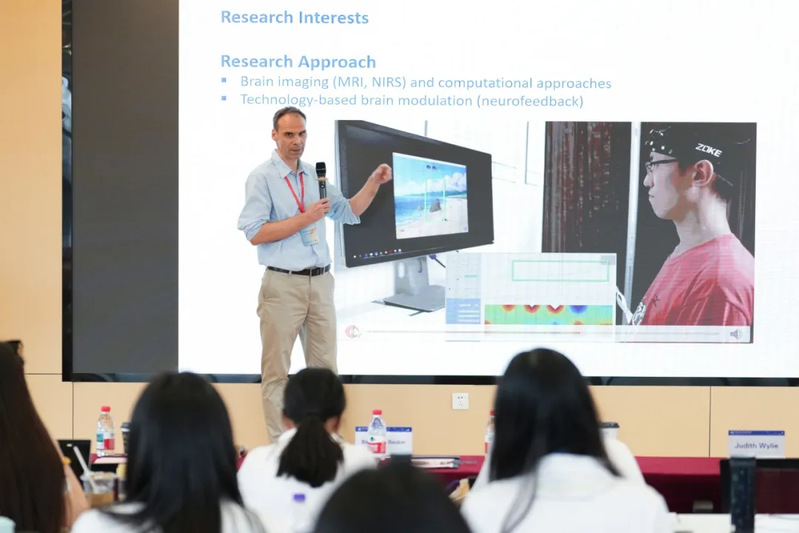
Professor Benjamin Becker delivered lectures on “Human Emotion — From Basic Models to Mental Health,” starting from foundational theoretical models of emotion and elaborating on how emotional processing relates to mental health issues, thus helping participants understand the bridge between basic cognitive mechanisms and clinical research. He further introduced the intersecting developments in neurotechnology, artificial intelligence, and social brain research, demonstrating the potential of emerging technologies in the study of human cognition and mental health.
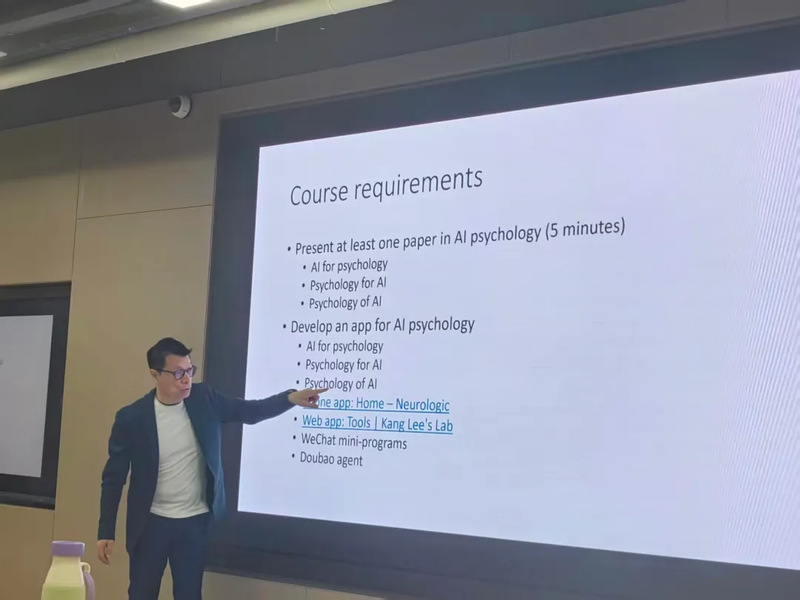
Academician Kang Lee focused his course on the intersection of artificial intelligence and psychology. He guided participants to reflect on how AI influences problem formulation, theoretical frameworks, and methodological approaches in psychological research; in subsequent sessions, he extended the discussion to machine learning and AI application development, enabling participants to grasp the basic logic from theory to application in AI technology.
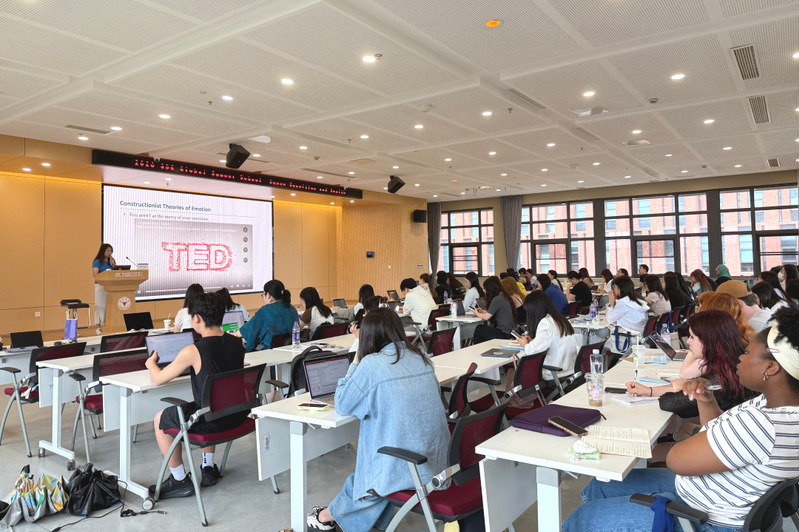
Professor Xia Fang delivered a systematic series of lectures on emotion and culture. The course examined differences in emotional experience, expression, and perception from a cross-cultural perspective, helping participants recognize the critical role of cultural factors in emotion research. It further introduced the fundamental principles and applications of the Facial Action Coding System (FACS), providing an important methodological foundation for research on emotion recognition, social cognition, and behavioral observation.
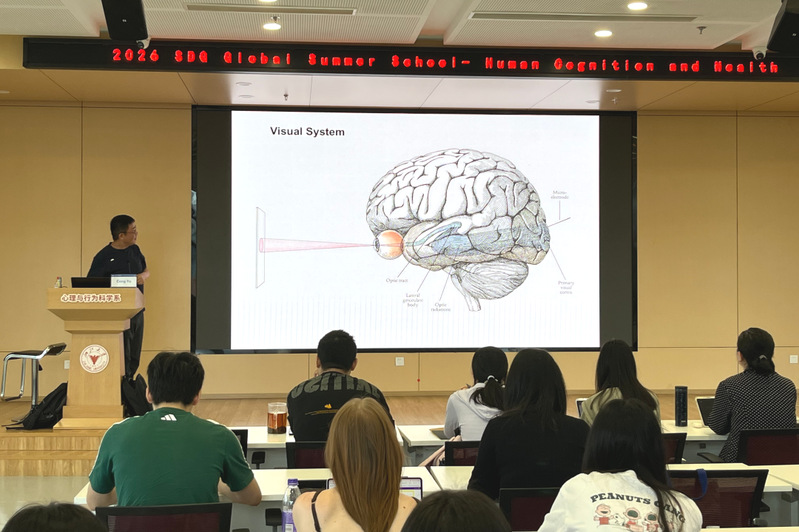
Professor Cong Yu focused his course on visual cognition and perceptual learning. He systematically introduced the basic mechanisms of visual processing, laying a foundation for understanding complex perceptual and cognitive processes; he further discussed how perceptual abilities change through experience and training, demonstrating the significance of basic visual research in the study of learning, plasticity, and cognitive enhancement.
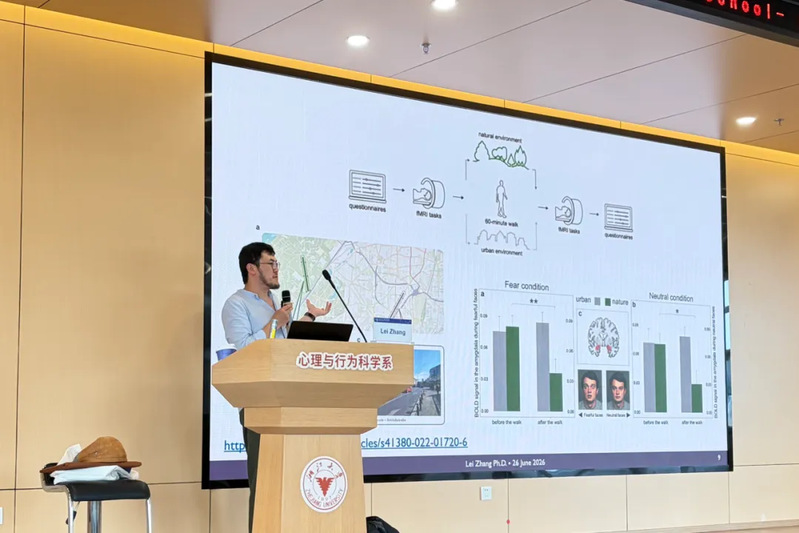
Professor Lei Zhang delivered courses on social learning, sustainable behaviour, and computational modeling. He discussed the multidimensional mechanisms of social learning from the perspectives of mind, brain, and machine, and connected brain science, behavioural science, and sustainability issues, illustrating possible pathways through which psychological research can address real-world social problems. In addition, he conducted tutorial sessions on hierarchical Bayesian modeling and simple reinforcement learning models, offering methodological training for understanding individual differences and behavioural modelling.
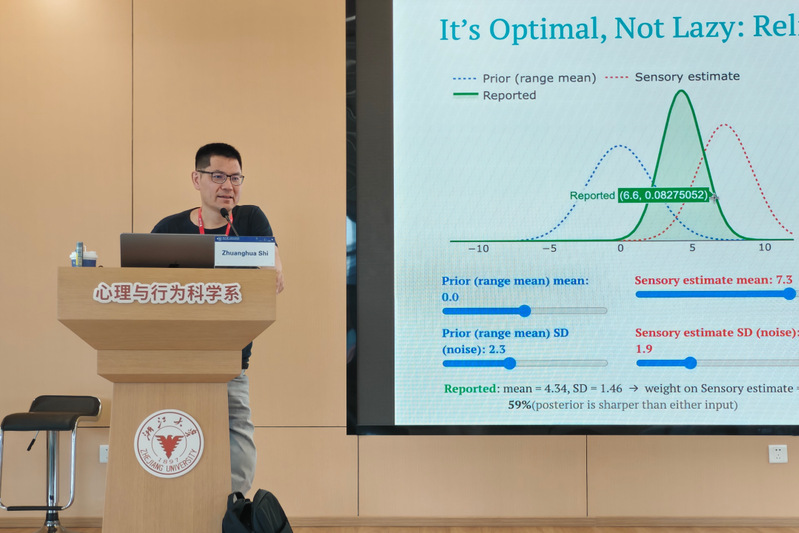
Professor Zhuanghua Shi gave lectures on Bayesian modeling and computational mechanisms in perception and action. He explained perceptual phenomena such as central tendency bias and serial dependence from the perspective of precision weighting, and further introduced the application of Bayesian modeling in perception and action research. Subsequently, through two tutorials—“Computational Modeling Basis” and “Computational Modeling Hands-On”—he helped participants transition from theoretical understanding to practical implementation, enhancing their hands-on skills in computational modeling.
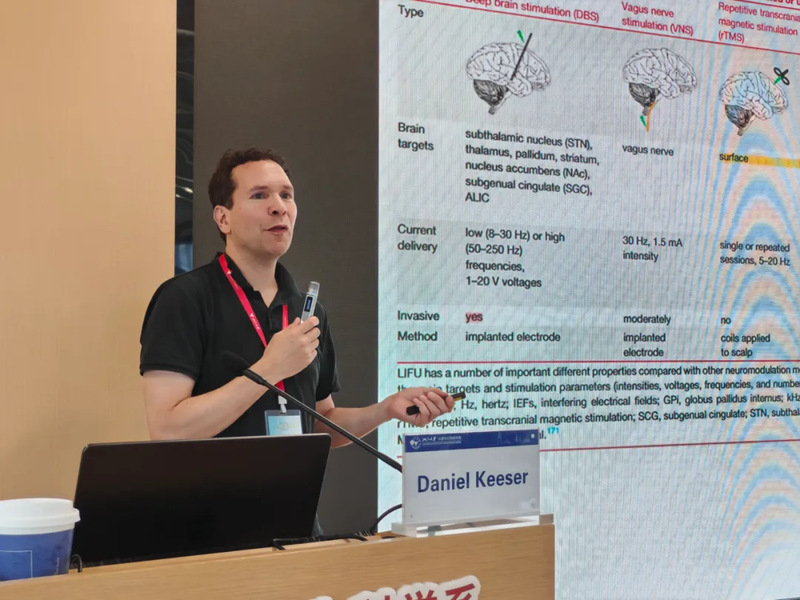
Professor Daniel Keeser delivered courses on multimodal neuroimaging, non-invasive brain stimulation, and precision psychiatry. He introduced the important roles of multimodal neuroimaging and neuromodulation techniques in mental health research. He then systematically explained, through two “Multimodal Neuroimaging” tutorials, how to integrate fMRI, ASL, magnetic resonance spectroscopy (MRS), and EEG to improve the explanatory power and exploratory capacity of neuroimaging studies. The course further discussed the developmental directions of neuromodulation in precision psychiatry, providing participants with cutting-edge perspectives on future mental health interventions.
---
Part II – Student Reflections
Overall, this summer school helped me develop a wider understanding of psychology. I learned that human cognition and health should not be studied from only one perspective. Psychology can be connected with neuroscience, culture, AI, and social behaviour. These lectures also made me more interested in using psychological knowledge in real life, such as improving education, supporting mental health, and designing better AI systems. This experience made me feel that psychology is a very interdisciplinary and practical subject.
——Liu Yihe (University College London)
The lecture’s exploration of methodologies was particularly enlightening. I was fascinated by how different scientific approaches, from behavioral experiments and lesion studies to advanced neuroimaging like fMRI and pharmacological interventions, converge to paint a picture of the emotional brain. The example of the amygdala's specific role in fear recognition, demonstrated through both lesion patients and fMRI studies of fearful faces, perfectly illustrated this multi-method approach. The concept of mental disorders as disorders of the brain, a reconceptualization driven by these scientific advances, was a pivotal moment in the course. It helped bridge the gap between basic science and clinical application, showing how dysregulation in specific brain circuits, like the amygdala in anxiety or the striatum in depression, can lead to the debilitating symptoms of mental illness.
——XIAN WAIHEI (University of Macau)
Overall, this summer school gave me a new perspective. It bridged clinical observation and data science in a way I had never experienced before. I no longer view psychiatry and computation as separate fields; instead, I see them as two sides of the same coin. The programme did not turn me into an expert overnight, but it gave me a practical toolkit and a clear roadmap for further study. I am now more confident in tackling research questions that combine brain biology, behaviour, and mathematical modelling. Most importantly, I feel inspired to continue learning about how we can use quantitative methods to improve our understanding of mental health. The summer school was not just a series of lectures—it was a turning point in my academic journey, and I am eager to apply what I have learned to real-world problems.
——YU Xiumei (The Education University of Hong Kong)
Overall, this experience at Zhejiang University has deepened my interest in the field of psychology, giving me a fresh drive for pursuing it as a future career. While providing knowledge which will be valuable for my future studies, it has inspired me to continue exploring the connections between culture, cognition, emotion and the brain. The programme also highlighted how different areas of psychology complement one another, from understanding behaviour through cultural and social influences to investigating neural mechanisms and using modern techniques such as AI in psychological research. I believe the insights and experiences from this summer school will shape the way I approach both my future studies and research critically and appreciative of diverse perspectives.
——Sheelin Armstrong (Queen’s University Belfast)
---
This SDG Global Summer School brought together academic resources from diverse fields—including psychology, cognitive neuroscience, artificial intelligence, computational modeling, and mental health research—and fostered exchange across disciplines, institutions, and cultural backgrounds. Through the series of lectures and hands-on courses, participants not only deepened their understanding of human cognition and mental health but also gained a greater appreciation for the crucial role of interdisciplinary approaches in advancing psychological research.
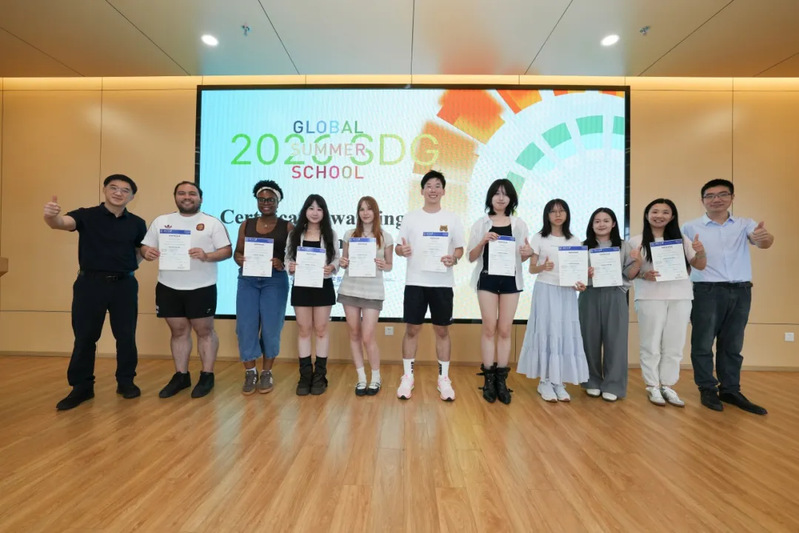
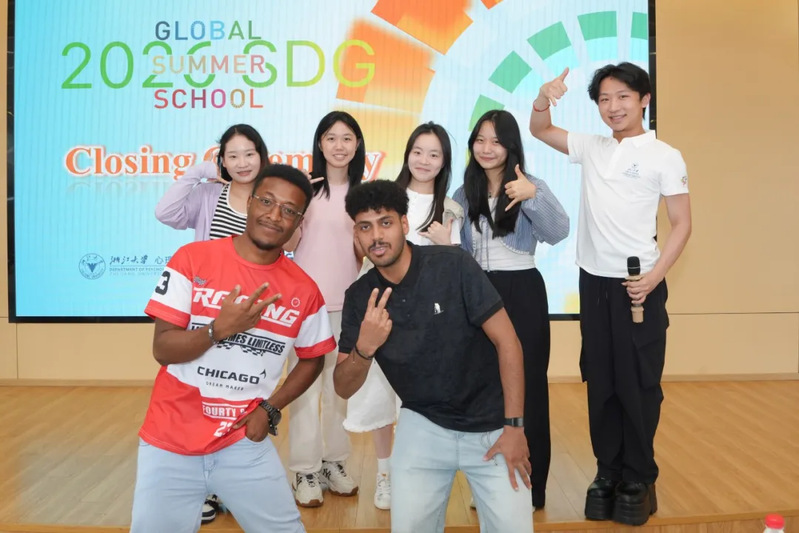
We look forward to seeing all participants carry forward the knowledge, inspiration, and enthusiasm gained at this Summer School, continuing to explore frontier issues in psychology and cognitive science, posing new questions, developing novel methodologies, and contributing new strength to the study of human cognition and mental health in their future studies and research.
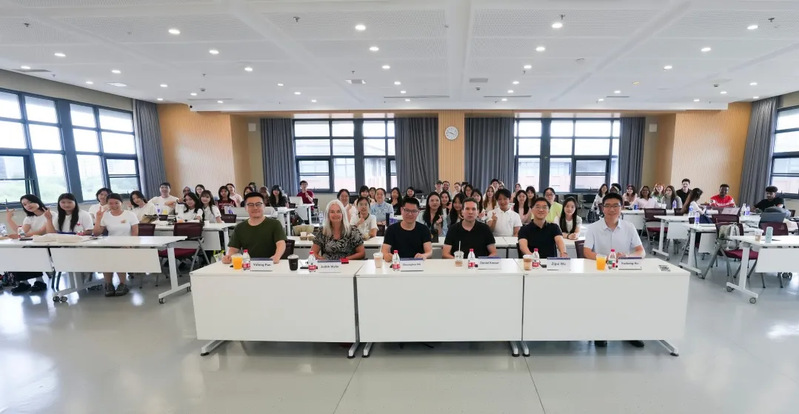
The SDG Global Summer School not only provided a high‑level learning platform for faculty and students from diverse universities and disciplinary backgrounds but also further established an open, diverse, and in‑depth academic bridge for the field of psychology. By bringing together international academic resources and facilitating face‑to‑face exchanges and interdisciplinary dialogue between Chinese and international scholars and students, it has contributed significantly to the global academic community.
---
Reported by Gao Yuyan and Wang Yuan
Edited by Zhou Wei
Reviewed by Kong Xiangzhen and Chen Hui
Final Approval by Chen Miaofeng