
In December 2019, students from the Department of Psychology and Behavioral Science at Zhejiang University, led by Professor Jianhong Ma, embarked on a six-day international exchange program at the University of Leipzig in Germany.
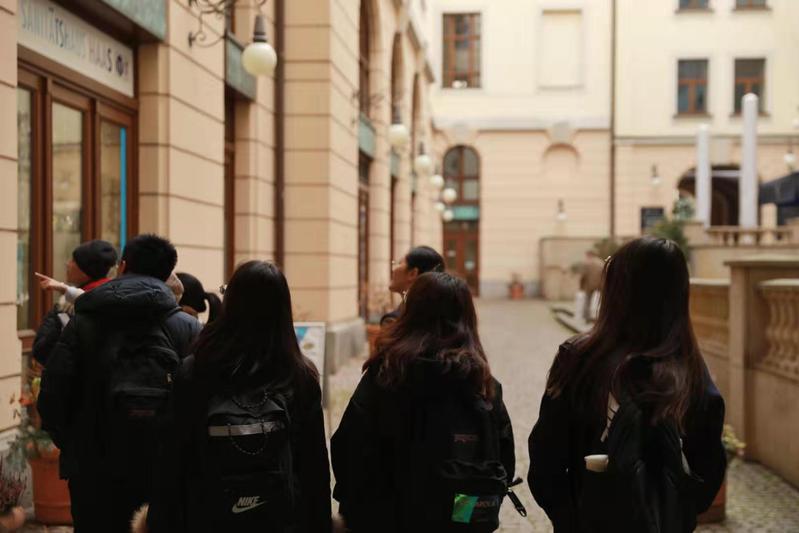
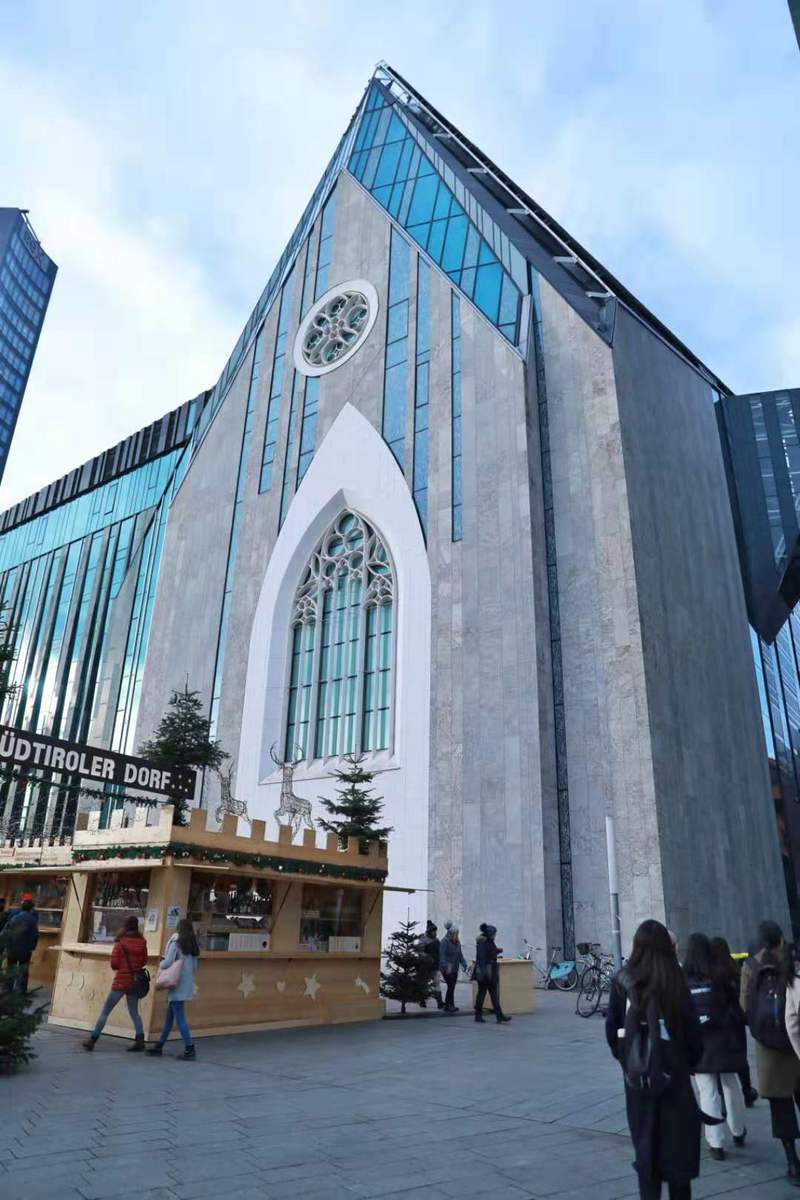
In the early morning of December 6, the delegation traveled by train from Berlin to Leipzig and arrived at the University of Leipzig at 10 a.m. Under the guidance of Professor Konrad Reschke from the University of Leipzig, the delegation visited the university’s Department of Psychology, library, student cafeteria, and the university church.
Afterward, the delegation was granted the rare opportunity to visit the milestone of psychology—the world’s first psychology laboratory, the Wilhelm Wundt Laboratory. Inside, the students observed and learned about some of the earliest psychological measurement instruments designed and manufactured by Wundt, including reaction time measurement devices, emotion measurement tools, color perception instruments, and sound perception measurement devices. After the tour, the delegation approached the guestbook of the Wilhelm Wundt Laboratory, which has preserved the signatures of countless psychology enthusiasts from around the world since 1978, including a signature left by Professor Jianhong Ma two decades earlier. Before leaving, the students and faculty also signed the guestbook. Through their visit to the University of Leipzig, particularly the Wilhelm Wundt Laboratory, the students gained a deep appreciation of the university’s centuries-old historical legacy and academic atmosphere, reflected on the birth and development of psychology, and reaffirmed their commitment to the field.
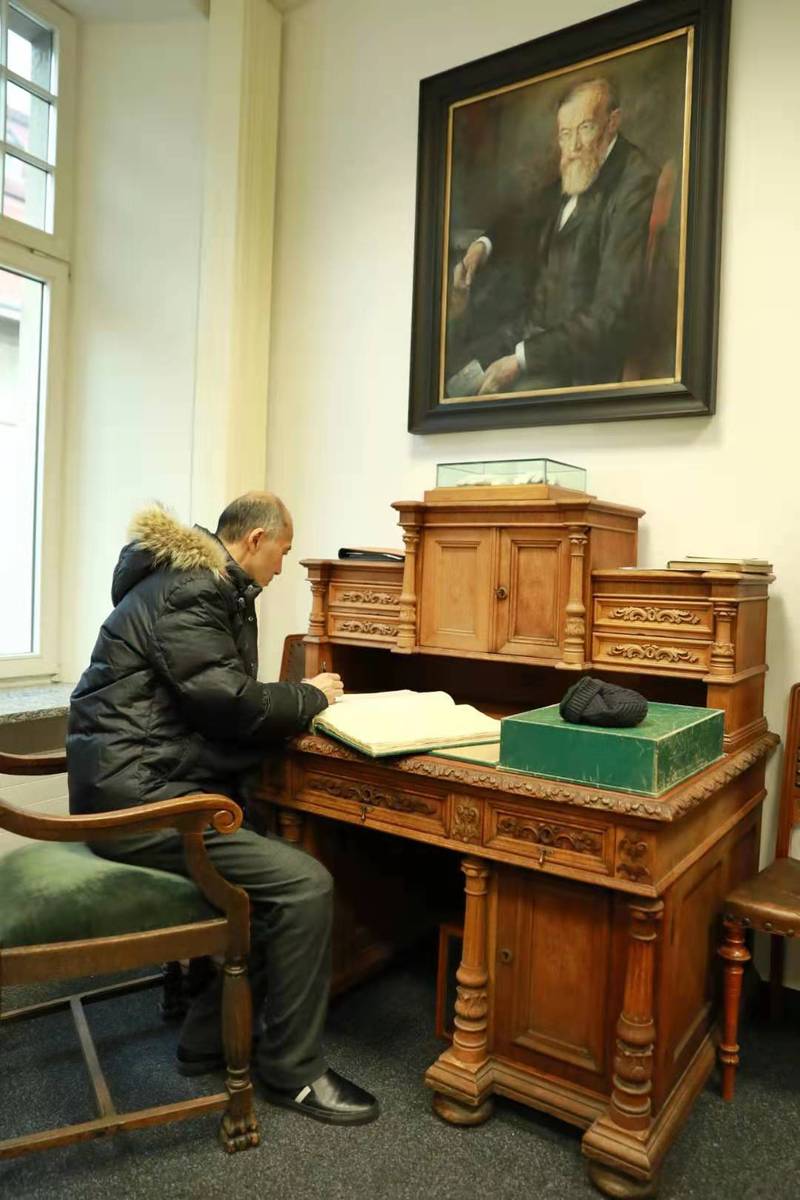
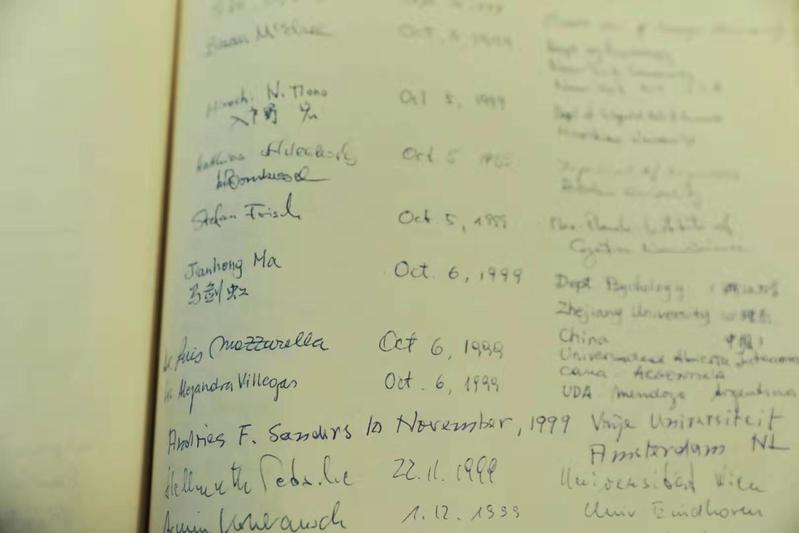
In the afternoon, the delegation attended an international conference on Educational and Rehabilitation Psychology at the University of Leipzig’s Department of Psychology. The conference covered three main themes: dyslexia and its recovery treatment, stress coping, and disaster response. Scholars from over ten countries, including Germany, China, Poland, Iran, and Mexico, participated in the event.
The conference began with an opening speech by Professor Evelin Witruk, the conference chair, who extended a warm welcome and greetings to the scholars from various countries.
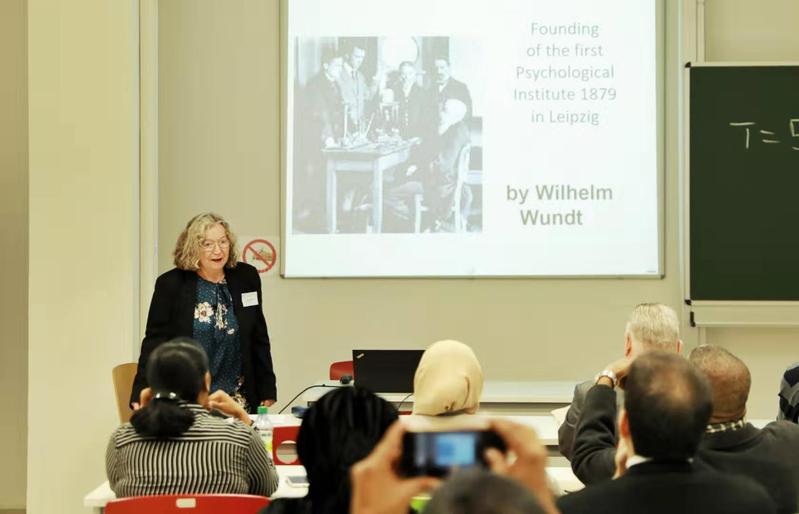
During the conference, many scholars delivered insightful presentations on the theme of Dyslexia and Its Treatment and Intervention, sharing research and perspectives on dyslexia from diverse cultural and national contexts. Through these presentations, the students gained a deeper understanding of dyslexia and its therapeutic interventions.